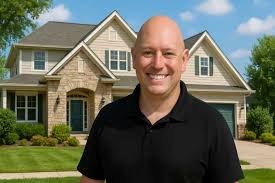
A home in Ashland, Mechanicsville, or Hanover County can be a better buy because of what it needs, not despite it. A dated kitchen, worn roof, or unfinished basement may put a property outside the comfort zone of other buyers. The best renovation loan options can turn that work into part of your financing plan instead of forcing you to drain savings after closing.
I am Duane Buziak, NMLS #1110647, an independent mortgage broker with Coast2Coast Mortgage LLC. My job is to help you compare the financing route to the house, the repairs, your credit profile, and your long-term plans – not just hand you one option from one product shelf.
Table of Contents
- When a renovation loan makes sense
- Best renovation loan options for local buyers
- A worked renovation financing example
- Broker versus retail bank comparison
- Questions to ask before choosing
- Ashland and Hanover County FAQs
When a Renovation Loan Makes Sense
Renovation financing is most useful when the home is structurally sound but needs meaningful improvements before it feels livable or competitive. Think roof replacement, HVAC, flooring, bathroom updates, accessibility changes, kitchen work, or repairing a property that has been sitting on the market.
The trade-off is process. A renovation transaction generally requires contractor bids, an appraisal based on the completed work, and inspections as funds are released. That takes more coordination than buying a move-in-ready home. But it can be worth it when a lower purchase price plus improvements creates a home that fits your needs better than the limited inventory of fully updated properties.
For buyers concerned that a renovation conversation will damage their credit, start with a NoTouch Credit Pull. A soft credit pull mortgage conversation can help us identify likely paths before a full application is necessary. That means you can ask about a no hard inquiry mortgage pre approval path, mortgage pre approval without hard pull, or a no credit hit mortgage application without guessing where you stand.
Hanover County uses the 2026 baseline conforming loan limit of $806,500, as published by the Federal Housing Finance Agency. That figure matters for buyers considering conventional renovation structures or a conventional refinance after substantial improvements. The right program still depends on occupancy, property condition, down payment, and how much work is planned.
Best Renovation Loan Options for Local Buyers
FHA 203(k): Flexible for a Primary Residence
FHA 203(k) financing combines a home purchase or refinance with eligible repair funds in one mortgage. It is often a practical option for first-time buyers who have a modest down payment, student loan obligations, or a home that needs more than cosmetic attention.
There are streamlined and more extensive versions depending on the scope of work. The larger projects can involve consultant oversight and more documentation. FHA can be a strong fit when credit is workable but not perfect, although mortgage insurance and property standards need to be weighed against the lower down payment benefit.
VA Renovation Financing: A Strong Veteran Option
Eligible veterans, active-duty service members, and qualifying surviving spouses should compare VA renovation choices early. VA financing can offer favorable terms and no monthly mortgage insurance, subject to program rules and eligibility. The project, contractor, and appraisal requirements still matter, so this is not a shortcut around planning.
For homeowners who already own their property and need funds for completed improvements or other eligible purposes, VA cash-out can go to 100% loan-to-value. That is different from conventional cash-out, which generally caps at 90% loan-to-value. A VA cash-out refinance is not the same thing as a purchase renovation loan, but it can be a valuable option after discussing the numbers carefully.
Conventional Renovation or Purchase Plus Improvements
Conventional renovation financing can suit buyers with stronger credit, more equity, or a project where conventional pricing is favorable. It may also be a useful choice for move-up buyers purchasing in Glen Allen, Ashland, or Mechanicsville who want to update a home without maintaining two separate loans.
Conventional structures can be more restrictive on certain repairs and borrower qualifications than FHA. On the other hand, borrowers who qualify may prefer the possibility of lower mortgage insurance costs or no mortgage insurance with sufficient equity. This is why comparing quotes and guidelines matters more than selecting a program by name.
Cash-Out Refinance for Work on a Home You Own
If you already own a home and the repairs can be completed after funds are disbursed, a cash-out refinance may be simpler than a construction-style renovation program. Conventional cash-out is capped at 90% loan-to-value, while VA cash-out can reach 100% loan-to-value for eligible borrowers.
This route works best when the equity, rate, and monthly payment still make sense together. Replacing a low existing rate just to access equity can be expensive over time. Sometimes a smaller second-lien option or saving for one phase of work is the better financial decision.
Investor and Self-Employed Alternatives
A traditional owner-occupied renovation loan is not always the answer. Investors buying a rental may need a DSCR product, which evaluates property cash flow rather than relying only on personal income. Self-employed borrowers may be better served by a bank statement loan when tax returns do not reflect their actual cash flow.
These products are not replacements for FHA 203(k) or VA renovation financing. They solve different qualification problems. A clear conversation about occupancy, repair timing, rental plans, and documentation prevents an attractive-looking option from becoming the wrong one.
A Worked Dollar Example
Suppose you find a Hanover County home priced at $340,000 that needs $45,000 in eligible improvements. With an FHA 203(k), the working total before financed fees would be $385,000: $340,000 purchase price plus $45,000 for repairs.
Assume a 3.5% down payment on that $385,000 base. The down payment is $13,475, calculated as $385,000 × 0.035. The starting financed balance before applicable upfront mortgage insurance and allowed financed costs is $371,525, calculated as $385,000 minus $13,475.
Now compare that with buying the same home conventionally without renovation financing. You would need the $13,475 down payment, closing funds, and the full $45,000 repair budget separately. The renovation structure does not make the improvements free. It changes the cash-timing problem by allowing eligible work to be included in the mortgage, subject to underwriting, appraisal, contractor approval, and program limits.
No-out-of-pocket closing options may be available in some transactions through pricing credits or seller concessions, subject to program rules and market conditions. They are not the same as pretending closing costs do not exist. We review the dollars plainly so you know what is financed, credited, paid by the seller, or due from you.
Why an Independent Broker Comparison Matters
A renovation loan has too many moving pieces to choose based on a television commercial or one posted rate. A broker can compare guidelines and pricing across a broad wholesale marketplace. Mortgage Maestro has access to more than 500 wholesale lenders, giving buyers more than a single-shelf conversation.
That is not a criticism of local professionals. Valerie Holbrook at C&F Mortgage, Randy Rodgers at First Bank, The Cowart Team at NFM Lending, and Allison Davis at United Bank serve borrowers through retail channels with their own offerings. Rocket Mortgage is a useful national online mortgage company for a rate comparison, while Movement Mortgage is often associated with retail processing speed. Their available programs and pricing can vary by file.
The difference is independence. A retail bank or retail mortgage company usually works from its own product shelf. As a broker, I can compare eligible wholesale options and explain the trade-offs. That includes a Dare to Compare pricing review and a 24-Hr Guarantee for a clear response on next steps when a complete scenario is submitted.
Use a soft pull mortgage broker conversation before you commit to a path. NoTouch Credit Pull is designed for the early stage when you want clarity, not pressure. It can support a mortgage pre approval without hard pull discussion while we assess income, assets, project scope, and likely program fit.
Questions to Settle Before You Apply
First, decide whether the work must be finished before move-in or can be completed over time. A roof, safety issue, or nonfunctioning systems may require renovation financing, while paint and fixtures may not. Next, get detailed contractor estimates. Vague budgets create appraisal and underwriting problems later.
Also consider your exit plan. If you expect to sell in two years, a large financed renovation may not have time to pay off. If you plan to stay for a decade, improvements that make the home function better can be more valuable than chasing a resale trend.
Finally, do not let credit anxiety keep you from asking questions. A soft credit pull mortgage review, no hard inquiry mortgage pre approval discussion, and no credit hit mortgage application conversation can show you what is realistic before you decide how aggressively to shop.
Ashland and Hanover County Renovation Loan FAQs
Can I use a renovation loan to buy an older Ashland home?
Yes. FHA 203(k), VA renovation, and certain conventional renovation options may finance an eligible purchase and approved repairs in one transaction.
What repairs can be included in a Hanover County renovation loan?
Eligible work can include major systems, roofs, kitchens, bathrooms, flooring, accessibility updates, and other approved improvements. Cosmetic-only projects may have fewer choices.
Can a VA borrower finance renovations with no monthly mortgage insurance?
Often, yes. Eligible VA borrowers can benefit from VA program features, but contractor approval, appraisal requirements, and project rules still apply.
Is VA cash-out limited to 90% loan-to-value?
No. VA cash-out can go to 100% loan-to-value for eligible borrowers. Conventional cash-out generally has a maximum 90% loan-to-value.
Can I get pre-qualified without a hard credit inquiry?
Yes. NoTouch Credit Pull can support an initial soft pull mortgage review so you can discuss options before a hard inquiry is needed.
Do USDA buyers near Doswell or Beaverdam have renovation options?
Possibly. USDA eligibility depends on the specific property location and borrower qualifications. A property review is necessary before relying on USDA financing.
Can a self-employed Hanover County buyer qualify without standard tax-return income?
Possibly. Bank statement loans may help qualified self-employed borrowers whose deposits better demonstrate cash flow than tax returns alone.
Can an investor renovate a rental property in Mechanicsville?
Possibly, but owner-occupied renovation programs are not usually the right fit. DSCR financing and property-specific investment strategies may be more appropriate.
A house with good bones should not be dismissed because it needs a plan. Bring the address, repair estimates, and your goals to the conversation, and we can sort the numbers before you spend money on inspections or contractor commitments.
Duane Buziak, Mortgage Maestro | Coast2Coast Mortgage LLC | NMLS #1110647 | (804) 212-8663 | duane@coast2coastml.com | 3302 Haydenpark Lane, Henrico VA 23233 | Licensed: VA, FL, TN, GA, DC
Legal disclaimer: Not a commitment to lend. Rates and program terms are subject to change. Equal Housing Lender. Coast2Coast Mortgage LLC NMLS #376205. Duane Buziak NMLS #1110647. Licensed in VA, FL, TN, GA, and DC.